


-
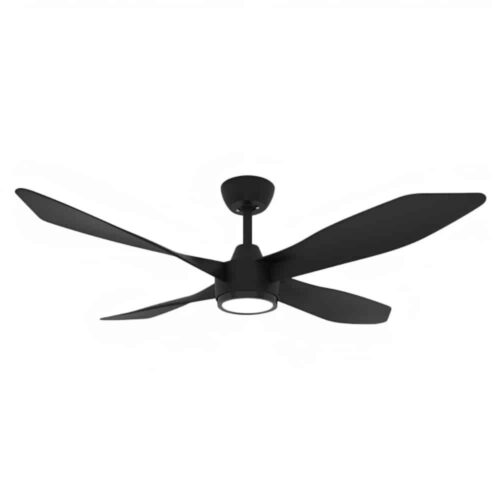
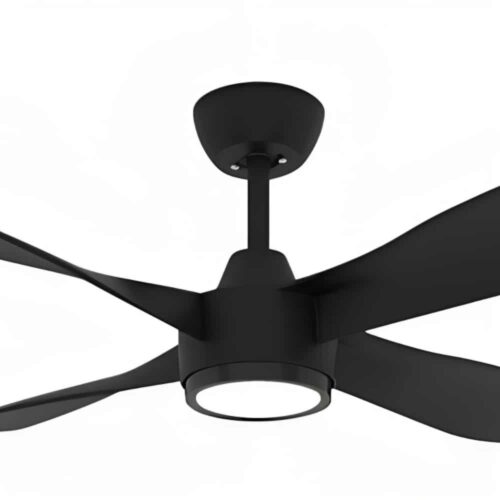
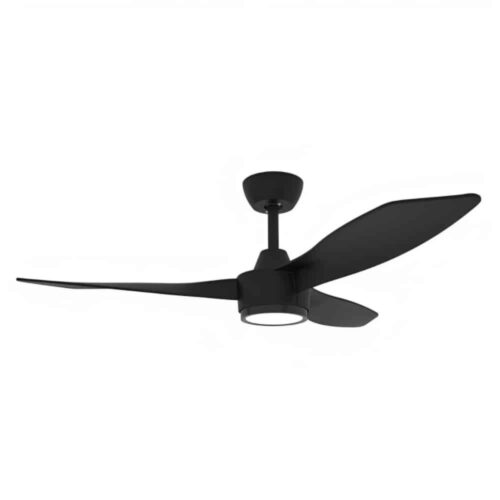
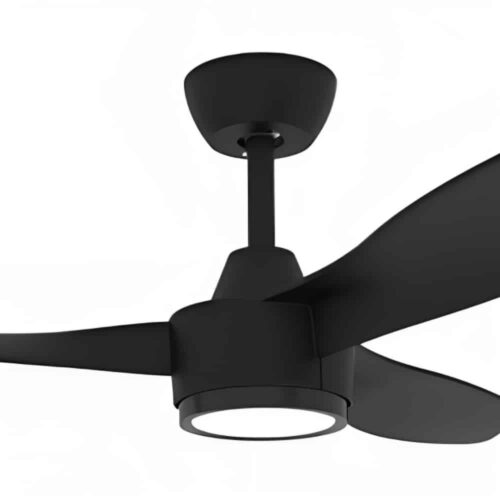
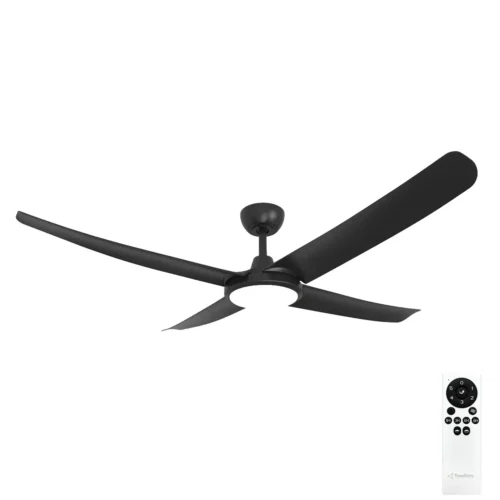
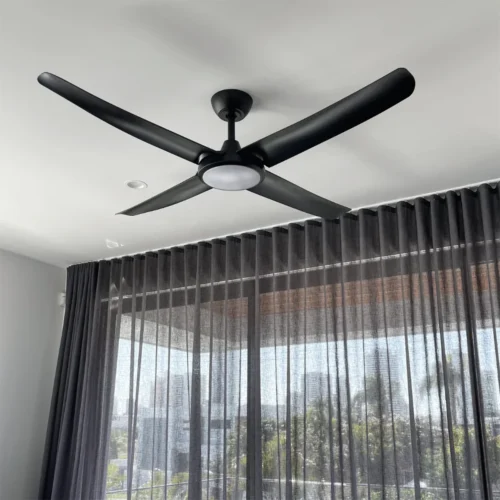
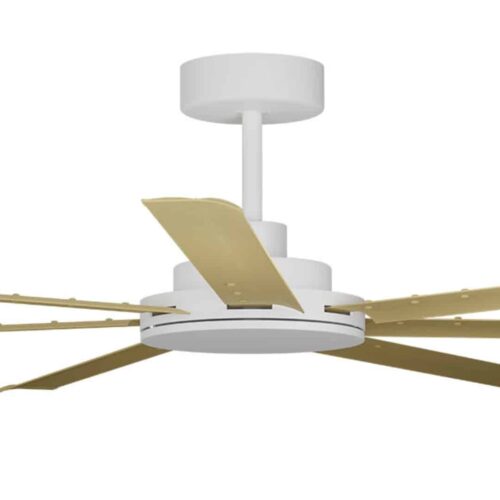
Domus Axis DC Ceiling Fan with LED Light – Black 48″
Original price was: $369.00.$332.10Current price is: $332.10.














How Do I Choose the Best Indoor Ceiling Fan?
The best indoor ceiling fans prioritise low noise first, then offer a wide range of usable bedroom airflows, so you can sleep comfortably without disruptive wind or motor hum. Use the ceiling fan buying guide to compare airflow, noise, controls and lighting, then narrow options with which fan is for me for a fast match to your room. If you want proven picks, our best bedroom ceiling fans focuses on quiet bedroom fans selected for sleep comfort and design.
What Size Ceiling Fan Do I Need Indoors (Especially for Bedrooms)?
The right what size ceiling fan for bedroom choice is the one that covers the bed zone evenly without needing high speed, which helps keep noise down. Start with your room size, then filter by blade span: small rooms, standard rooms, or large rooms. For quick shortlists, compare our best small fans and best large fans, or browse the small ceiling fan category and large ceiling fan category after checking indoor fan sizing guidance in the ceiling fan buying guide.
Where Should a Ceiling Fan Be Placed in a Bedroom?
For ceiling fan placement bedroom comfort, placement should centre airflow over the bed zone with enough clearance from walls to avoid turbulence that can create extra noise. If your ceiling is sloped or placement is constrained by lighting, the angled ceiling guide outlines positioning solutions that maintain safe clearances and stable operation. For low ceilings, low-profile ceiling fans reduce drop height, and choose from our best low-profile fans highlights models suited to bedrooms.
How Much Airflow Do I Need for a Bedroom?
Most bedrooms suit quiet airflow that feels like a gentle breeze for sleep, which is why a fan with lower RPMs is often better than one that only focuses on maximum output. DC ceiling fans offer more airflow speed options, making it easier to find a sleep setting that feels as comfortable and quiet as you prefer.
To filter for quieter, efficient options, explore DC motor indoor fans, then compare overnight running costs in the ceiling fan cost to run guide.
Do Indoor Ceiling Fans Cool the Air?
Ceiling fans do not cool the air temperature, but they improve comfort through the wind-chill effect, where airflow moves warm air away from your skin and supports evaporation. This is why a well-chosen bedroom ceiling fan can feel cooler at a lower setting, without loud high-speed operation. For a clear comparison of airflow comfort versus refrigeration cooling, see air conditioner vs ceiling fan, plus the buying guide and the ceiling fan running cost guide.
Do I Need a Light on My Indoor or Bedroom Fan?
In bedrooms, ceiling fans with light are useful when the fan needs to remain the central fixture while still supporting comfortable airflow and quiet operation. Options like ceiling fans with LED light provide bright, efficient illumination, while CCT lighting helps you adjust warmth and tone for evenings versus mornings. To narrow options quickly, use the indoor fans with light filter, explore ceiling fans with light and remote for bedside convenience, and see general lighting guidance in LED lights. If you want a shortlist, our best fans with light list highlights popular indoor options.
When Should I Choose a Low-Profile or Hugger Fan?
Choose hugger ceiling fans and low profile fans for bedrooms when ceiling height is limited and you want safe clearance without sacrificing comfort. Start with the low-profile fan category, then reference our best low-profile fans for proven low-clearance options.
Are DC Fans Better for Bedrooms?
Often, yes, because the quietest ceiling fan for bedroom use is usually one that performs well at the low-to-mid speeds people actually sleep on. Many DC fans offer smoother speed control and reduced energy use, while AC models remain dependable and cost-effective for straightforward operation. Use the AC vs DC guide to compare, then browse indoor DC fans or reliable AC fans depending on your priorities.
How Quiet Should a Bedroom Ceiling Fan Be?
A truly whisper quiet fan is one that stays unobtrusive at the speeds you will actually use overnight, not just the lowest setting. Low noise depends on motor quality, balancing, blade aerodynamics and smooth speed transitions, which is why many customers start with DC fans for quiet operation. For softer airflow sound and reduced resonance, browse quiet timber ceiling fans, and use the ceiling fan buying guide to compare how different materials behave.
What Blade Material Is Best for Indoor and Bedroom Use?
For bedrooms, blade material affects both acoustic feel and aesthetics. The timber ceiling fans indoor range is popular for its warm look and softer perceived airflow, while ABS blades can also be stable and quiet when paired with a well-designed motor and blade profile, as outlined in the ceiling fan buying guide.
For design direction explore modern, Scandinavian, Hamptons, tropical or traditional styles.
Which Fan Style Works Best Indoors?
Indoor rooms usually suit streamlined profiles and calm finishes that match the architecture and soft furnishings. Compare options across modern, Scandinavian, Hamptons, tropical and traditional, then use best bedroom ceiling fans as a practical shortlist for sleep spaces.
How Many Blades Should an Indoor Fan Have?
Blade count has little to do with performance or quietness, because comfort indoors depends on blade shape, pitch, motor output and how the fan behaves across low speeds. The blade myths are explained in the how many blades guide, with broader selection context in the ceiling fan buying guide. For a cleaner bedroom look, ceiling fans without lights can complement minimalist blade shapes and keep the ceiling line simple.
Should I Use Reverse Mode (Winter Mode) Indoors?
Yes. Reverse mode helps redistribute warm air trapped near the ceiling back down into the room, improving comfort in bedrooms and living zones during colder months. Practical guidance is in using a ceiling fan in winter, with efficiency context in the ceiling fan cost to run guide and the buying guide.
What Makes a Ceiling Fan Suitable for Indoor Use?
Indoor ceiling fans are built for enclosed spaces where moisture exposure and corrosion risk remain stable, so the focus is comfort factors like low noise, airflow range, controls and design. In contrast, outdoor ceiling fans and coastal-rated fans need different construction to handle weather and salt exposure. The ceiling fan buying guide explains indoor vs outdoor suitability in detail.
Can I Use an Outdoor Fan Indoors?
Yes. Installing an outdoor ceiling fan indoors can suit humid homes or users who want extra durability, and coastal fans can also be used indoors for the same reason. The key is still choosing a model that offers the quiet, lower-speed airflow you want for bedrooms.
FAQs:
1. Can any ceiling fan be used indoors?
Yes. Most ceiling fans suit enclosed rooms, but the best choice depends on noise, airflow range, lighting and control type, which is clearly explained in the ceiling fan buying guide.
2. What size fan is best for a bedroom?
Most bedrooms suit mid-size fans, while compact rooms may suit smaller options found in the small fan categoryand larger rooms may benefit from wider coverage via the large fan category.
3. Are ceiling fans safe to install above a bed?
Yes, when installed correctly with safe clearances, and low ceilings are often best matched to low-profile ceiling fansthat reduce drop height.
4. Do more blades make a fan quieter?
No. Quietness depends on motor design, balancing and blade aerodynamics rather than blade count, as explained in the how many blades guide.
5. Is a DC fan better for sleeping?
Often yes, because DC ceiling fanstypically offer smoother speed control and quiet operation, and the trade-offs are detailed in the AC vs DC guide.
6. Should I choose a fan with or without a light?
Rooms where the fan is the central ceiling fixture often benefit from ceiling fans with light, while minimalist bedrooms with separate lighting zones may suit ceiling fans without lights.
7. Do I need reverse mode indoors?
Reverse mode is useful in winter for improving heat circulation, and best practice is outlined in using a ceiling fan in winter.
8. Are timber blades quieter indoors?
Many sleepers prefer the softer airflow feel and reduced resonance of timber, and you can browse options in the timber indoor selection.
9. Can I add SMART control to an indoor fan?
Yes. For app and voice control, browse SMART ceiling fansfor indoor options designed for connected control.
10. Do AC fans work well indoors?
Yes. AC motor fansare reliable and cost-effective for indoor spaces, especially when you want simple operation.
Need More Help?
Explore our Ceiling Fan Buying Guide or contact our expert team for advice on the best indoor fan for your space.