
-
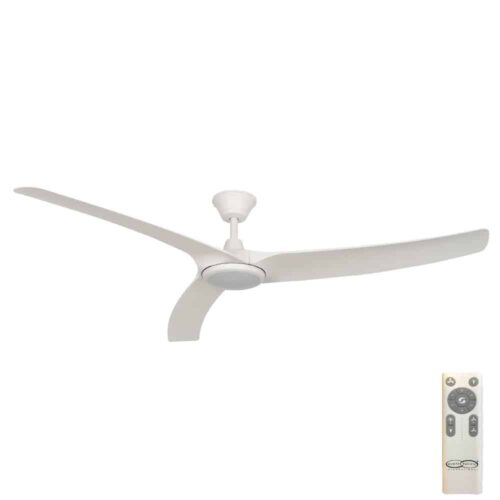
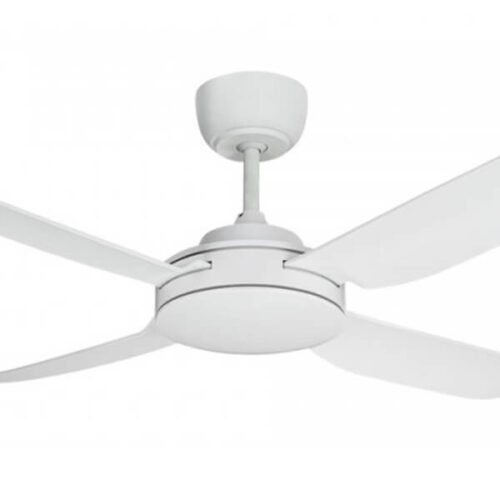
Aqua IP66 Rated DC Ceiling Fan with CCT LED Light – White 70″
Original price was: $629.00.$559.00Current price is: $559.00. -
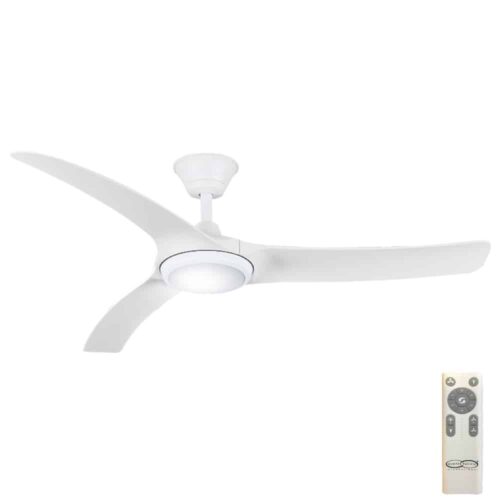
Aqua V2 IP66 Rated DC Ceiling Fan with CCT LED Light – White 52″ (Remote and Wall Control)
Original price was: $544.00.$518.00Current price is: $518.00. -
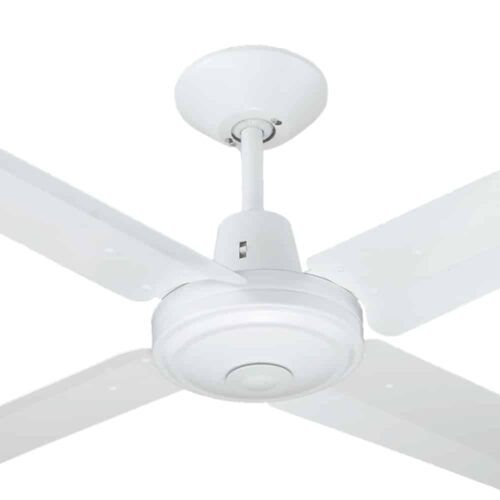
Hunter Pacific Typhoon AC Ceiling Fan – White Aluminium 48″
Original price was: $170.10.$153.09Current price is: $153.09. -
Aqua V2 IP66 Rated DC Ceiling Fan with CCT LED Light – White 52″
Original price was: $475.00.$449.00Current price is: $449.00. -
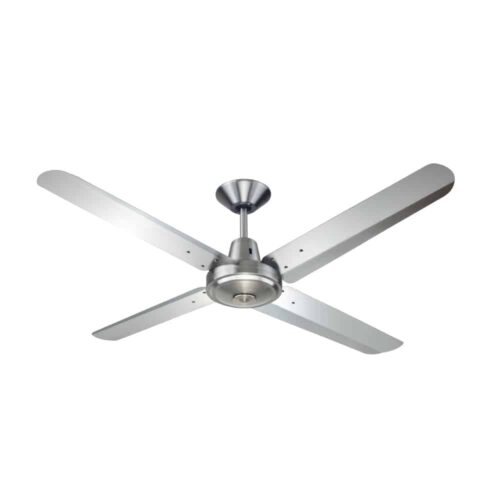
Hunter Pacific Typhoon 26 AC Ceiling Fan – 316 Stainless Steel 48″
Original price was: $369.00.$332.10Current price is: $332.10. -
Hunter Pacific Concept DC Ceiling Fan with LED Light – White 52″
Original price was: $319.00.$287.10Current price is: $287.10. -
Bondi Ceiling Fan – White 48″
$224.10 -
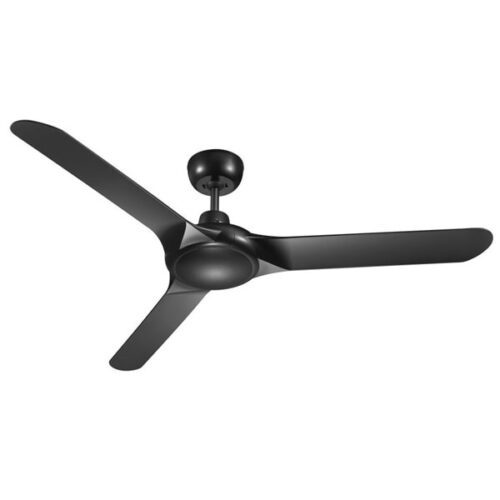
Hunter Pacific Aqua IP66 Rated DC Ceiling Fan – Black with Koa 52″
Original price was: $439.00.$429.00Current price is: $429.00. -
Hunter Pacific Revolution 3 AC Ceiling Fan with LED Light – White 52″
Original price was: $469.00.$422.10Current price is: $422.10. -
Hunter Pacific Concept DC Ceiling Fan – White 52″
Original price was: $269.00.$242.10Current price is: $242.10. -
Hunter Pacific Aqua V2 IP66 Rated DC Ceiling Fan with Remote and Wall Control – White 52″
Original price was: $508.00.$498.00Current price is: $498.00.















What Is Considered High Airflow for a Ceiling Fan?
In Australia, high airflow ceiling fans are generally defined as producing 10,000 m³/hr or more at maximum speed. Models at this level and above are designed specifically to provide stronger air movement, typically in larger or outdoor spaces.
How Is Ceiling Fan Airflow Measured?
Airflow is measured in cubic metres per hour (m³/hr). It reflects the total volume of air moved on the highest speed.
What Airflow Level Do Large Rooms Need?
Understanding how much airflow you will need is dependent on how you use your space and your personal preferences.
There is no strict benchmark based purely on room size. However, if your space is approximately 20 square metres or larger, high airflow fans should begin to be considered.
Larger open plan areas, rooms with high ceilings, or outdoor spaces may require even higher output.
Bedroom ceiling fans are typically operated on lower speeds to create gentle breezes.
If you have a large bedroom space, a high airflow fan may not always be necessary.
When Should You Choose a High Airflow Ceiling Fan?
High airflow ceiling fans are ideal where strong airflow relief or broad air circulation is required over greater distances. Typically, these include open plan living areas, rooms with higher ceilings, or covered outdoor spaces.
Are High Airflow Fans Good for Outdoor Areas?
High airflow fans improve comfort in hot or sunny outdoor spaces. For most homes, these include alfresco areas, balconies, or verandas. For properties in coastal regions, corrosion-resistant coastal rated ceiling fans are recommended.
Do High Airflow Ceiling Fans Use More Power?
Ceiling fans, regardless of size, are mechanically optimised and use relatively little electricity compared to many other household appliances. Most high airflow models use efficient DC motors, which consume very little electricity even when operating at higher speeds for extended periods.
Some low profile ceiling fans and fans with AC motors also achieve high airflow.
In practical terms, they do not use significantly more electricity than an additional downlight, if any noticeable increase at all.
Does More Blades Mean More Airflow?
No. Blade count does not determine airflow performance. Blade pitch, blade shape, motor performance and RPM are far more influential factors in airflow output.
This principle is examined further in how many blades you need on a ceiling fan, where common misconceptions about blade numbers are explained in more detail.
Does a Larger Fan Always Move More Air?
Not necessarily. Some larger fans move less air than smaller, well-engineered models.
The best high airflow ceiling fans come in a range of sizes, with some designed for bedrooms and indoor spaces, and others specialised for outdoor installations.
While larger fans generally cover a wider physical area, the total airflow produced depends on engineering performance rather than diameter alone.
FAQs:
1. What is classed as high airflow for a ceiling fan?
High airflow is generally defined as 10,000 m³/hr or more at maximum speed. This level of output suits medium to large rooms.
2. What size ceiling fan gives the best airflow?
Larger fans often deliver strong airflow, but aerodynamic blade design and motor performance are critical. A smaller, well-engineered fan can outperform a larger poorly designed model.
3. Is a high airflow ceiling fan better for summer?
Yes. Stronger airflow improves perceived cooling during hot weather and can reduce reliance on air conditioning.
4. Are high airflow ceiling fans noisy?
Quality models remain stable and quiet even at higher speeds. DC motors in particular help minimise operational noise.
5. Can a high airflow ceiling fan replace air conditioning?
In mild to warm conditions, a high airflow ceiling fan can significantly improve comfort.
In extreme heat, it performs best when used alongside air conditioning.